New NHS study highlights ways to help patients with painful, slow-healing corneal wounds recover sooner
Monday 6th July 2026
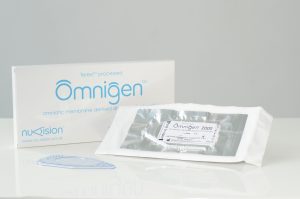
Teams at Queen Victoria Hospital NHS Foundation Trust (QVH) and Maidstone and Tunbridge Wells NHS Trust (MTW) have published new findings highlighting how long and demanding treatment can be for people with persistent corneal epithelial defects and how a clinic‑based approach using a sutureless amniotic membrane dressing could help some patients heal sooner with fewer appointments.
Persistent epithelial defects (PED) are painful “open” areas on the clear front surface of the eye (the cornea) that fail to heal within 14 days despite appropriate treatment. These wounds can cause significant discomfort, light sensitivity and blurred vision, and can increase the risk of serious complications such as infection, scarring and, in severe cases, perforation that may threaten sight.
The study, published in Eye Journal, reviewed real world NHS care for patients with the most challenging forms of PED across QVH and MTW. Analysis of the conventional treatment arm in this study showed that patients needed months of care and repeated follow up, often requiring multiple different therapies and procedures.
In the new treatment arm of this study, clinicians used a sutureless amniotic membrane dressing known as Omnigen produced by NuVision Biotherapies UK. This is a thin biological layer derived from donated amniotic membrane, applied to the surface of the eye using a specialist contact lens. The dressing acts as a temporary protective cover, helping to create the right conditions for the corneal surface to heal, and can be applied quickly in an outpatient clinic without stitches or surgery. Use of the dressing was based on individual clinical need and clinician judgement.
In the published comparison data, patients treated with the sutureless approach showed higher healing rates, shorter overall treatment duration, fewer outpatient appointments and lower modelled treatment costs. The findings suggest that, for suitable patients, earlier use of this type of clinic‑based option could reduce the time spent living with symptoms, lower the risk of complications, and ease pressure on busy outpatient services.
The paper also highlights the wider scale of corneal surface disease nationally. Using NHS Hospital Episode Statistics data and related corneal coding, the authors estimate more than 138,000 episodes each year associated with corneal ulcers and epithelial defects, with the majority managed in outpatient settings. These findings reinforce the importance of effective, non‑surgical care pathways.

Mohamed Elalfy
Mr Mohamed Elalfy, Consultant Ophthalmologist working across Queen Victoria Hospital and Maidstone and Tunbridge Wells, said:
“Persistent corneal wounds can be incredibly painful and disruptive for patients. Many need repeated appointments because the eye has to be monitored closely and treatment escalated if healing stalls. Our findings show how resource‑intensive this can be for both patients and the NHS. The evidence also suggests that a sutureless amniotic membrane dressing is an important tool in the armamentarium for treatment of these cases.
I am incredibly proud of the work of our teams, especially Miss Sundas Maqsood for delivering this project as part of her joint fellowship in Queen Victoria Hospital NHS Foundation Trust and Maidstone and Tunbridge Wells NHS Trust.”
Speaking about his experience of receiving the dressing as part of his treatment, patient Qaiser said: “As someone with a complex eye condition, I’ve had a number of treatments, including corneal surgery. The membrane treatment was new to me, but it has helped reduce pain, made my eye feel more comfortable and protected, and is supporting the healing process. I’m very grateful to the team for their care and for offering a treatment option I hadn’t experienced before.”
For more information please contact Jenny Marston PR (07957 630 688 jennymarstonpr@gmail.com) or the QVH Press Office, at qvh.communications@nhs.net
News Archives
Visiting advice
Read our latest guidance here
Minor injuries unit
Read more about our minor injuries unit, open 8am - 8pm every day.

What Drives You? Find it at QVH.
Friends and family recommendations
100% of inpatients would recommend us to friends and family.
Referral guide (updated February 2024)
Find out more about our services and how to refer patients to us.